

IEM Comparisons
So how do the Globes stack up against similarly priced competition? I compared them with several IEMs on hand to answer that…
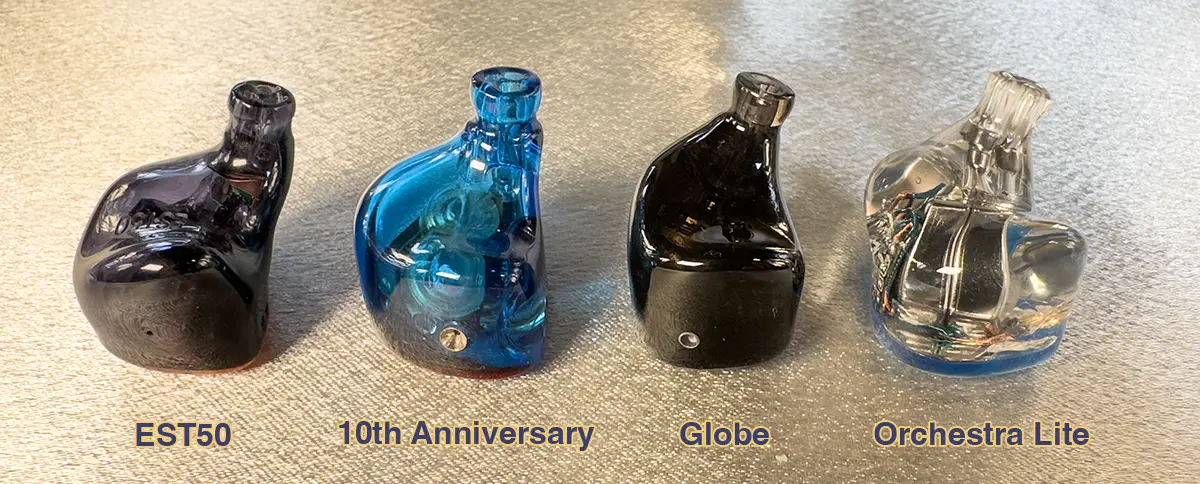
Kiwi Ears Orchestra Lite – 8xBA (USD $249)
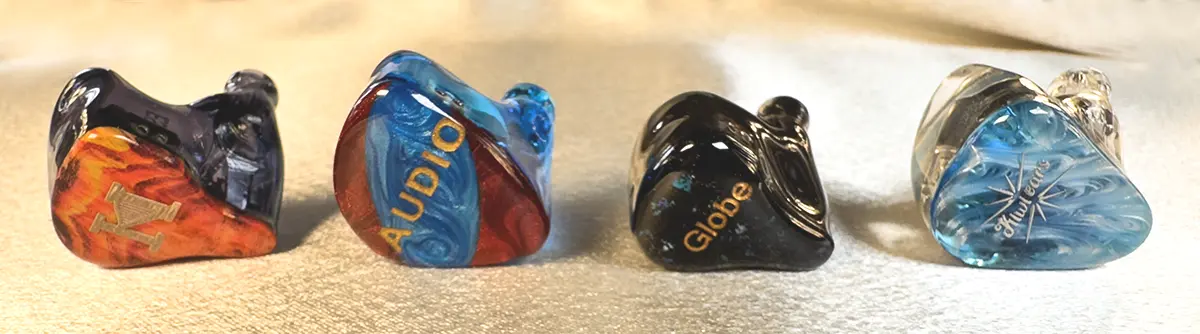
The Orchestra Lites are quite large & surprisingly heavy considering they lack a dynamic driver, but those larger dimensions perhaps contribute to the excellent seal I’m able to obtain with them and the impressive isolation they provide.
Requiring a volume of 20 on the N8ii with high-gain, as opposed to 16 for the Globes suggests they’re slightly more difficult to drive. More difficult still to accept is the Orchestra Lite’s claustrophobic soundstage, which despite not being dramatically narrow feels more ‘in my head’ than usual, with sounds projecting more to the rear of my skull than in front of it.
The Orchestra Lites have the virtue of being extremely fast and responsive as you might expect from an all-BA earphone, but although bass quantity is sufficient, as expected texture is lacking. By comparison treble is quite prominent and zingy, and the presentation feels weighted more heavily towards upper rather than lower midrange. The Orchestra Lites deliver a slightly greater perception of detail than the Globes, but their plasticky tonality and mediocre bass reproduction doesn’t seem worth the tradeoff.
ISN EST50 – 1xDD, 2xBA, 2xEST (USD $449)
Marginally larger than the Globes and similarly easy to drive (volume 16 on the N8ii) the EST50s don’t feel quite as snug in the ear and jut out a bit further.
Despite the Globes having no lack of bass heft, immediately noticeable is how much deeper & more impactful bass is felt on the EST50s, with superior texture to boot. The soundstage is also wider and slightly deeper, and though I’ve commented previously that the EST50s are rather excitable they’re surprisingly less so than the Globes, which feel even more upfront.
Resolution is slightly higher on the EST50s -perhaps thanks to their EST drivers- and vocals are more refined yet lack the body & presence of the Globes, sounding further away from the listener. Treble is a little smoother yet more detailed. The EST50s have a more effortless, wider V-shaped presentation overall with thunderous bass the standout.
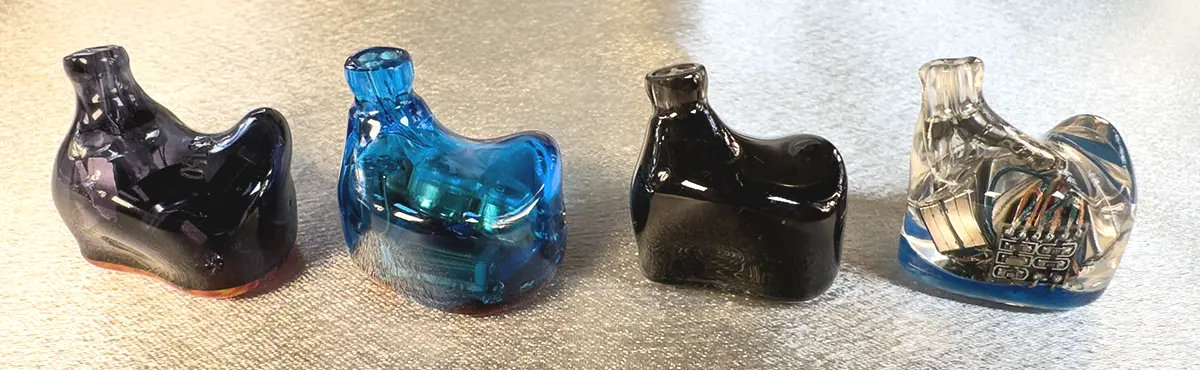
Penon 10th Anniversary – 2xDD, 2xBA, 2xEST (USD $499)
Requiring Vol 19 on the N8ii the 10th Anniversaries are slightly harder to drive than the Globes, and their shells quite a bit larger. I do find the Globes more comfortable for multi-hour listening sessions but this isn’t enough to dissuade me against the 10th Anniversaries.
With a slightly wider & deeper stage the 10th Anniversaries also boast superior bass texture, though I perceive that bass to be slower which is perhaps a result of not one but two DDs producing it, and midbass feels emphasised over sub bass.
The 10th Anniversary midrange boasts higher resolution & superior imaging, yet bafflingly there’s a sense of diffuseness suggesting a lack of cohesion, with perhaps the two DDs again being the culprit. However instruments feel larger, and the background blacker. The 10th Anniversaries undoubtedly feature a smoother, more refined tonality with effortless resolution provided by the EST drivers.
Additional IEM Comparisons
Not content with comparing the Globes to earphones close to hand, I paid a visit to Addicted to Audio in Melbourne with the intent of testing them against popular IEMs with similar prices.
Do bear in mind these impressions were gathered in a rather noisy environment, as they were busy that morning with much background chatter from customers so only general differences will be noted here.
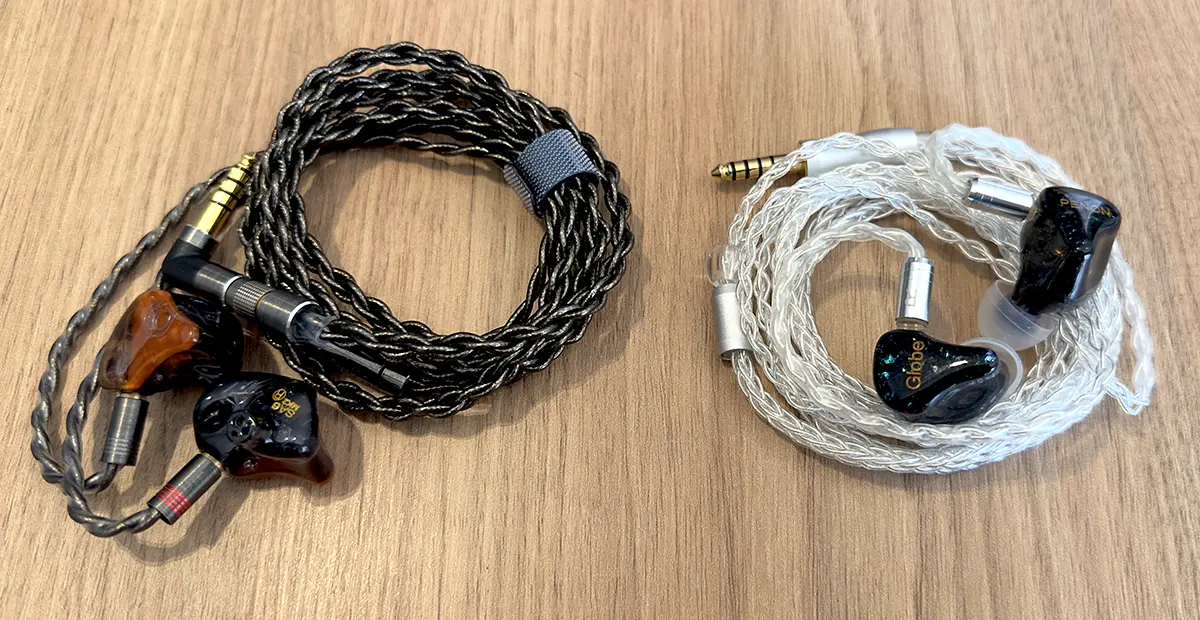
Dunu SA6 MK2 – 6xBA (USD $579)
Immensely larger with geometry more rigorously sculpted to the ear, the SA6 MK2s also isolate more effectively than the Globes but are heavier and less comfortable overall.
Bass is surprisingly satisfying given they lack a DD, yet there’s no mistaking that BA-bass texture which lags behind the Globes’ more gratifying slam. Similarly easy to drive from the N8ii, the SA6 MK2s feature a wider, flatter stage and a smooth character.
Vocals are set further back from the listener and lack the Globes’ richness & presence, but instead come across as less excited & more refined. Dynamics are also lacking, and transients feel softened which prevents detail jumping out quite as much.
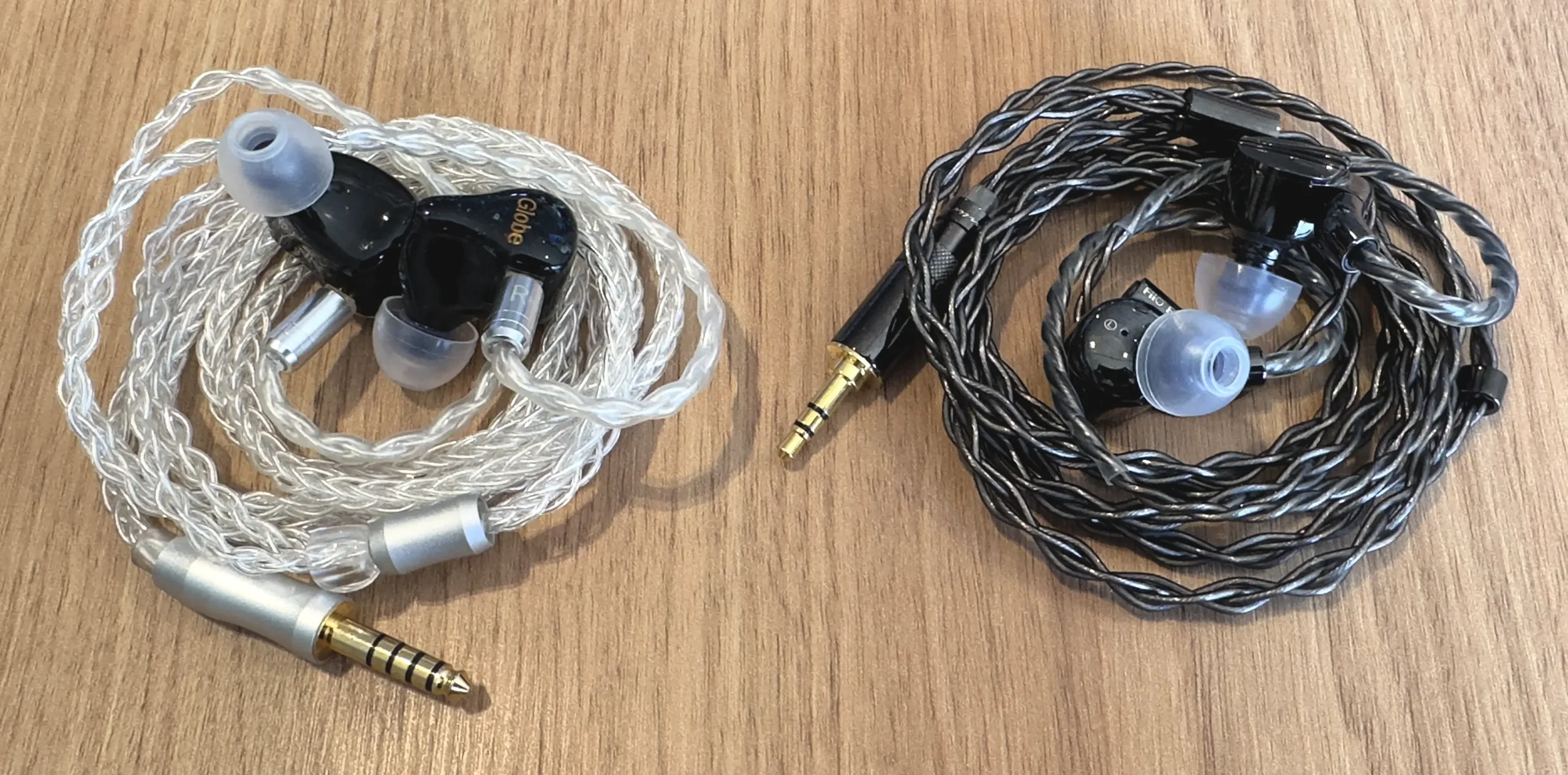
FiiO FD7 – 1xDD (USD $579)
The FD7’s metal shells are heavy, but quite small given their single driver configuration so I have trouble obtaining a good seal. Requiring 26 on the N8ii they’re surprisingly difficult to drive and that’s not where the bad news ends.
The sluggish speed of the FD7’s DD drivers are immediately apparent, and their soundstage is very flat and narrow. Bass quantity is similar to that of the Globes and tends to favour midbass but is nonetheless impressive, and vocals have good presence.
This is a clearcut example of where I believe hybrid IEMs have surpassed their single-DD counterparts, as although the Globes are considerably cheaper their technical performance is far ahead of the FD7s to the extent I unhesitatingly favour the Globes and the result isn’t even close.
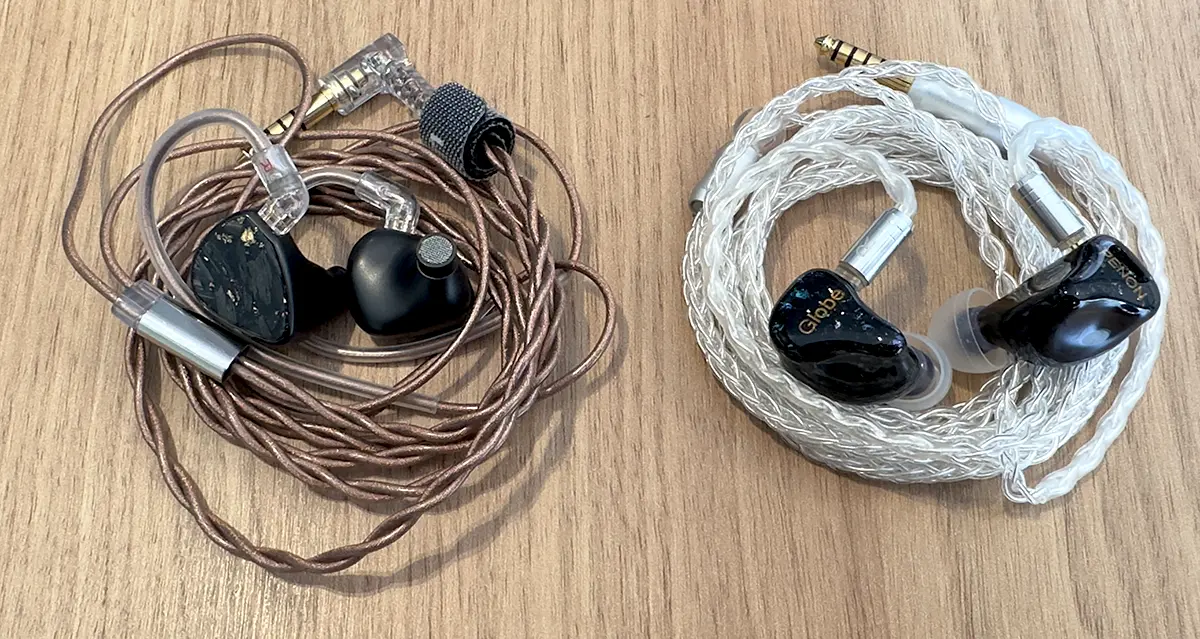
Letshoer EJ07M – 1xDD, 2xBA, 1xEST (USD $669)
Surprisingly smaller than the Globes without being moulded to the ear quite as much, the EJ07M’s steel shells have a very smooth finish and are extremely comfortable despite their significant weight.
Requiring 22 on the N8ii, the EJ07Ms feature similarly competent bass texture to the Globes, with a wider more open stage, but lack the addictive midrange magic of the Globes. Where the EJ07Ms pull ahead is in the responsiveness of their DD which make that of the Globes feel sluggish – something not obvious without comparing them side-by-side.
The EJ07Ms also boast higher quality treble that generates appreciably greater resolution, yet they maintain a fantastic sense of coherence. Indeed I’ve been extremely impressed by them, though their price premium over the Globes is significant.
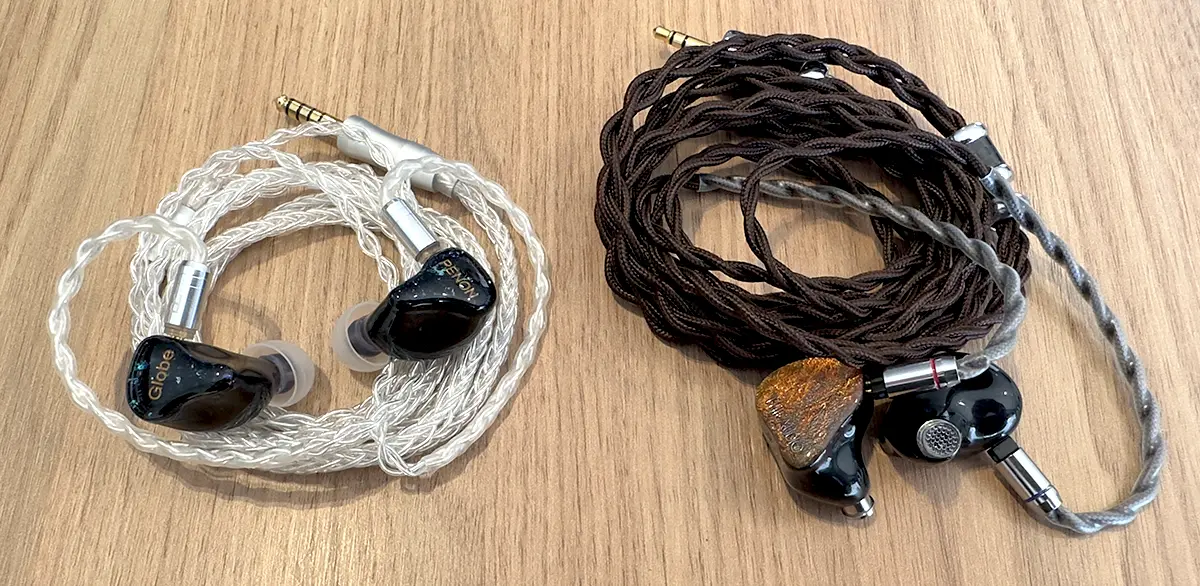
Thieaudio Monarch MKII – 1xDD, 6xBA, 2xEST (USD $999)
Physically much larger than the Globes but not too uncomfortable, the Monarchs require a massive 30 on the N8ii suggesting they pair best with powerful sources.
What’s immediately apparently is how flatly they’re tuned, with a very unexciting presentation I don’t particularly care for – the Globes are much more engaging & lively. Bass quality & texture is also a weakness of the Monarchs, another area the Globes have them covered.
Technical performance is where the Monarchs shine, with a wider & deeper stage than the Globes, sharper imaging, and higher midrange resolution despite their lack of warmth. The tradeoff is how uninvolved the Monarchs leave me feeling, though conceivably this may suit certain genres & listeners.
Page 1 – Introduction & Sound Impressions
Page 2 – IEM Comparisons
Page 3 – Cable Comparisons
Page 4 – Conclusion
I love the Globes thought they were musical and engaging.
Musical and engaging is a terrific way to describe them Steve. There’s a lot to be said for transducers that get you tapping your feet even if they aren’t the last word in technical performance.