


By Nick Smith, 3rd August 2023
Introduction
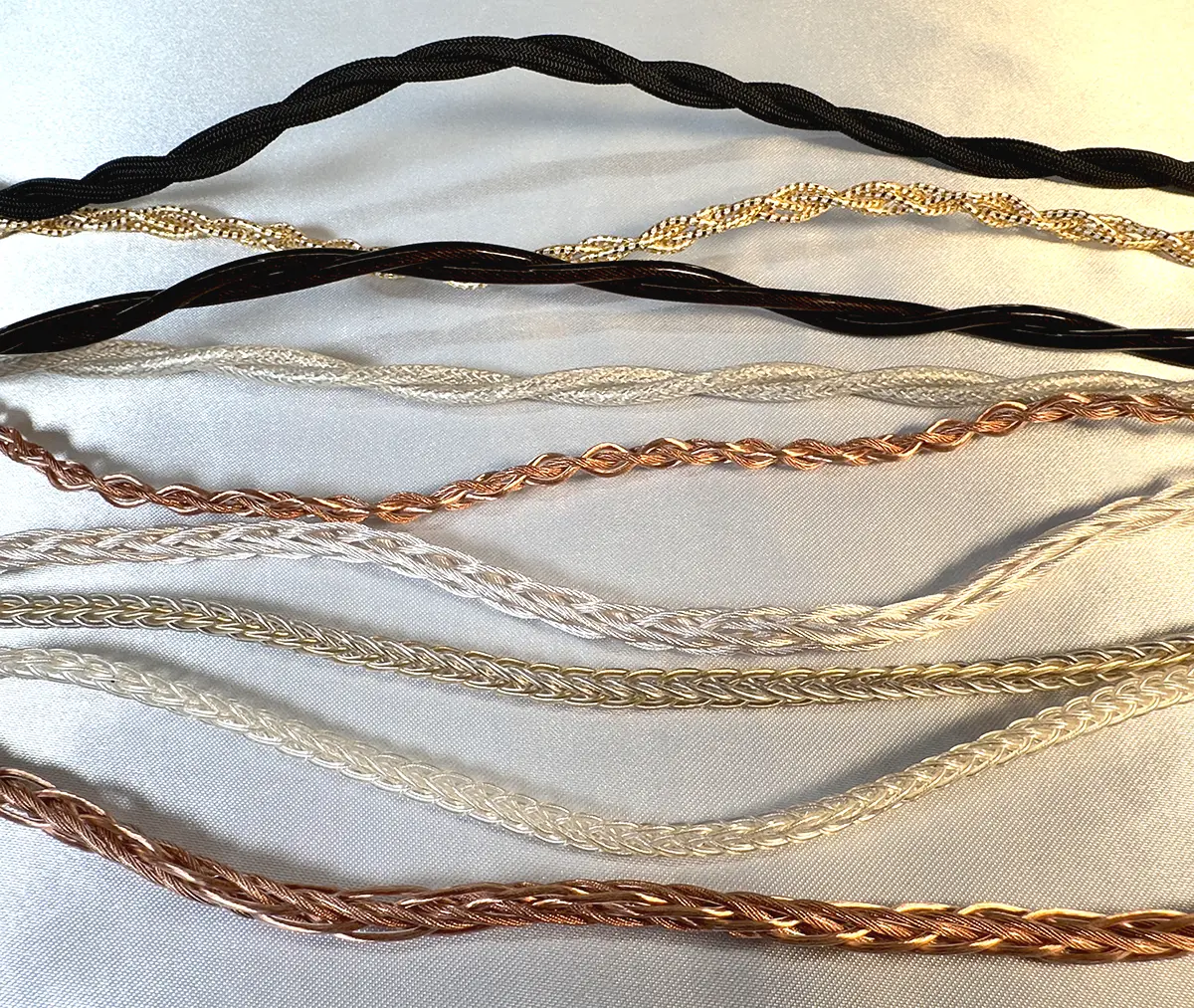
Why would someone spend hundreds, even thousands of dollars on a fancy earphone cable?
Good question!
If you’re not familiar with our hobby one fact may surprise you – different earphone cables can sound quite different.
In fact IEM (In Ear Monitor) cables made from different materials like copper or silver can alter the sound of the earphones attached to them quite surprisingly, shifting their sonic character to one more closely matching your desires.
Plus they look cool and that never hurts.
So which cable should you choose?
I may not be able to answer that directly, but assembling 15 earphone cables representing a fair slice of the market will give you some options to consider, as you learn how they stack up against one other.
Why Conduct a Cable Shootout?

Often in the audio hobby the most effective way to gauge how a piece of equipment performs is by comparing it side by side against something similar.
Observing changes between the two helps us define the characteristics of both, and place them within the context of their competitors.
By assembling a collection of cables at various pricepoints we can get a feel for what spending a certain amount might get you, and you’ll gain an understanding of the different flavours available.

Flavour is key word here. Many cables aren’t necessarily better or worse, just different – so just as you may not think of the color yellow as “better” than red, there are times when one is a better fit like when you purchase red tomatoes or yellow bananas.
The synergy between your earphone, cable, and audio source (phone, audio player or dongle) is crucial to their performance, so in a way you’ll end up hearing the sum of all three.
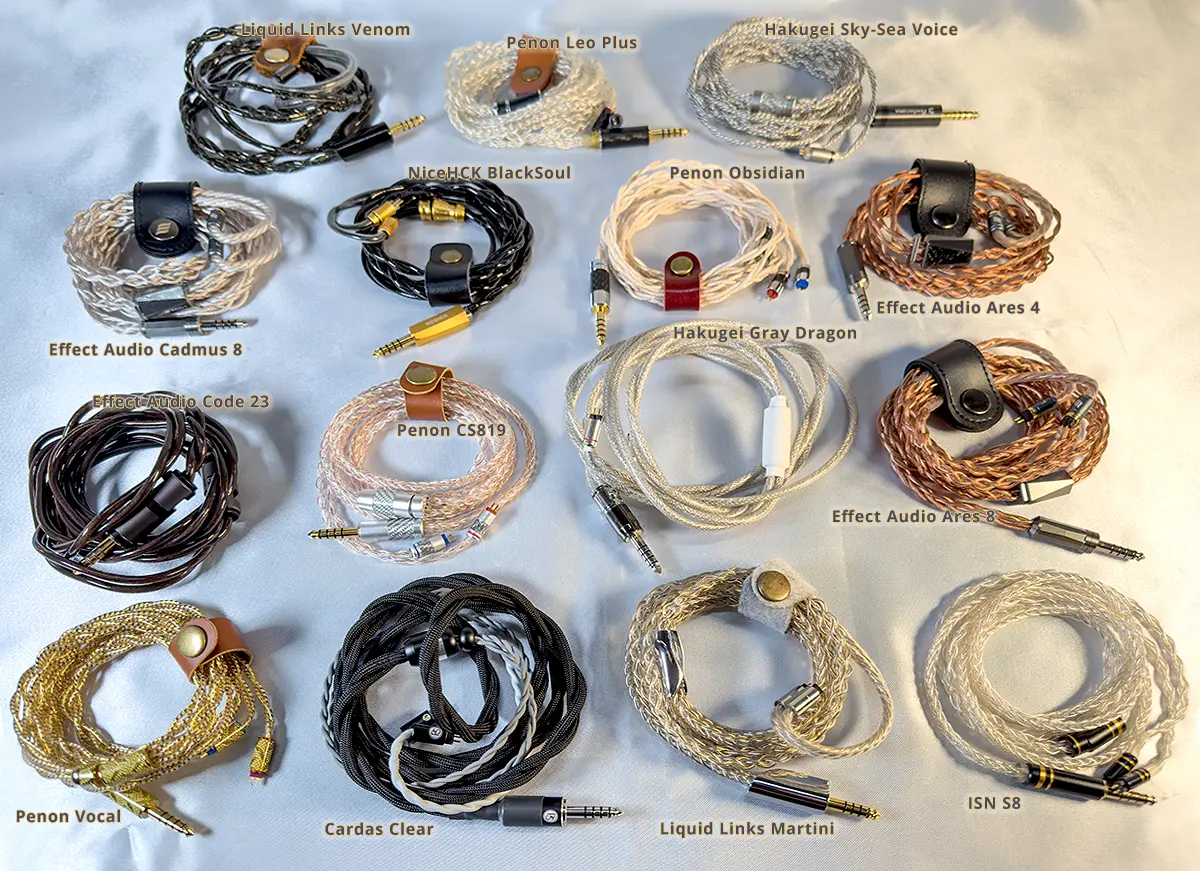
Your best choice is usually a cable that accentuates your earphone’s strengths, minimises its’ weaknesses, or both.
Except it’s not that simple – what if there’s two cables that do that, but one is $50 and the other $250?
You could get the cheaper one, but you might be curious what spending $200 more will get you – this shootout will help give you some insights.
Test Setup
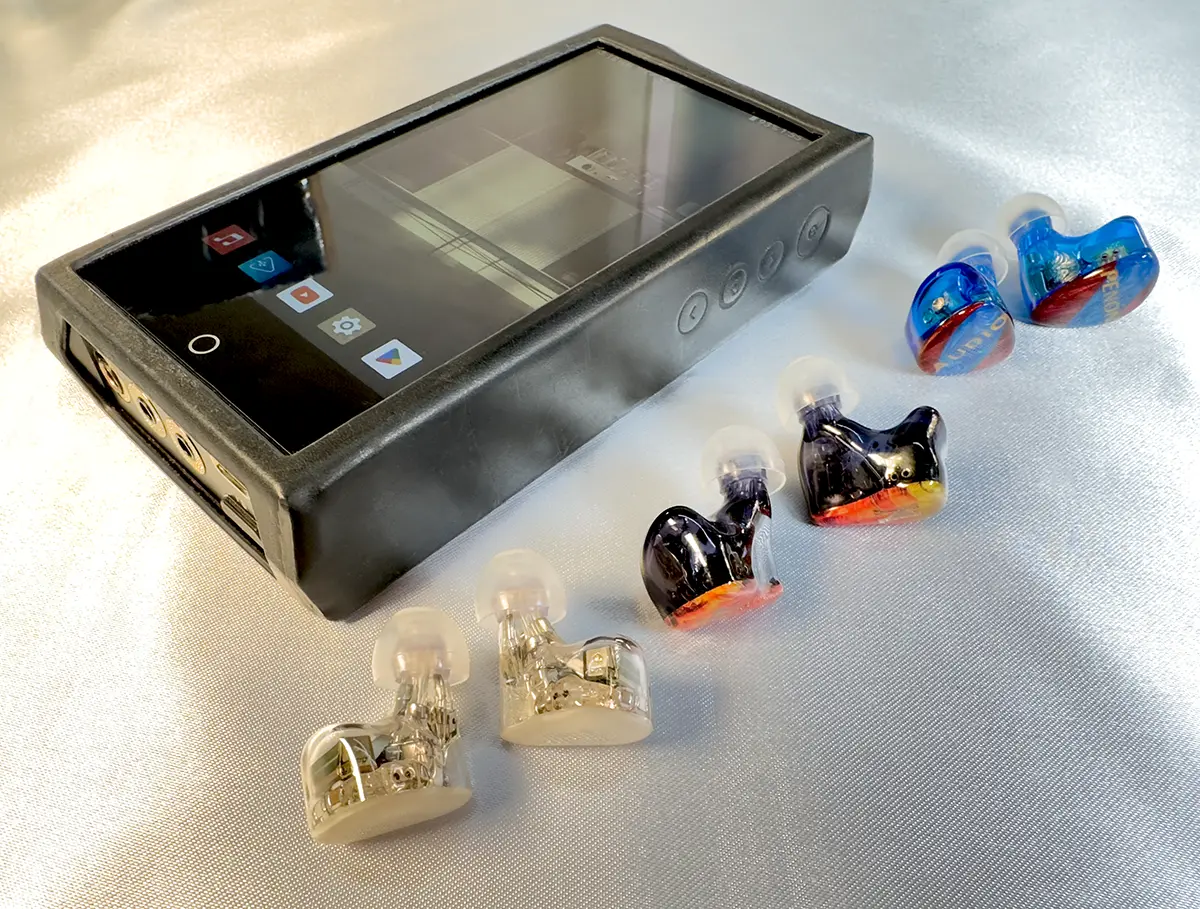
I tested the shootout cables using a Cayin N8ii digital audio player set to high-gain, in solid state mode with P+ activated, at volumes of 16 – 20.
Apple Music was typically used to play offline files stored locally on a 1TB Micron i400 Micro-SD card, which sounds better than streaming them.
There’s a few factors you should be aware of that influence my listening impressions:
- I mostly listen to electronic, classical music & soundtracks so I tend to value bass, dynamics and especially treble quite highly.
- The N8ii is naturally tuned to accentuate sub bass & treble.
- As a low volume listener, bass & treble aren’t proportionally as prominent to me as they would be at higher volumes – making the N8ii a good fit to counter that.
Three IEMs were used to test the cables, since using only one would merely test which cables synergise best with that particular earphone.
Test IEM #1: Penon 10th Anniversary

Configuration: 2x BA, 2x EST 2x DD
Price: $499
Strengths: Soundstage Width, Bass Impact, Overall Tuning
Shortcomings: Resolution, Midrange Prominence, Cohesion
Of the three IEMs tested the 10th Anniversary is probably the best-balanced for the average listener, and is extremely hard to fault for the asking price – its’ shortcomings only exist in comparison to earphones worth thousands of dollars. It features a very gentle V-shaped tuning.
Shortcomings are worth highlighting because I find they’re the most important areas any cable needs to improve for a pairing to be successful. If a cable can do that while boosting areas of strength so much the better, but cables which boost only strengths but leave weaknesses untouched I often find less satisfying.
Compared with the most resolving earphones on the market the 10th Anniversary could benefit from extra resolution, and likewise though its’ midrange is excellent that’s still an area where a specialist IEM like the Impact feels more satisfying. 10th Anniversary cohesion is also slightly below that of the EST50 & Impact (due to its’ 2 DDs I suspect) but isn’t something I notice as much.
Test IEM #2: ISN EST50
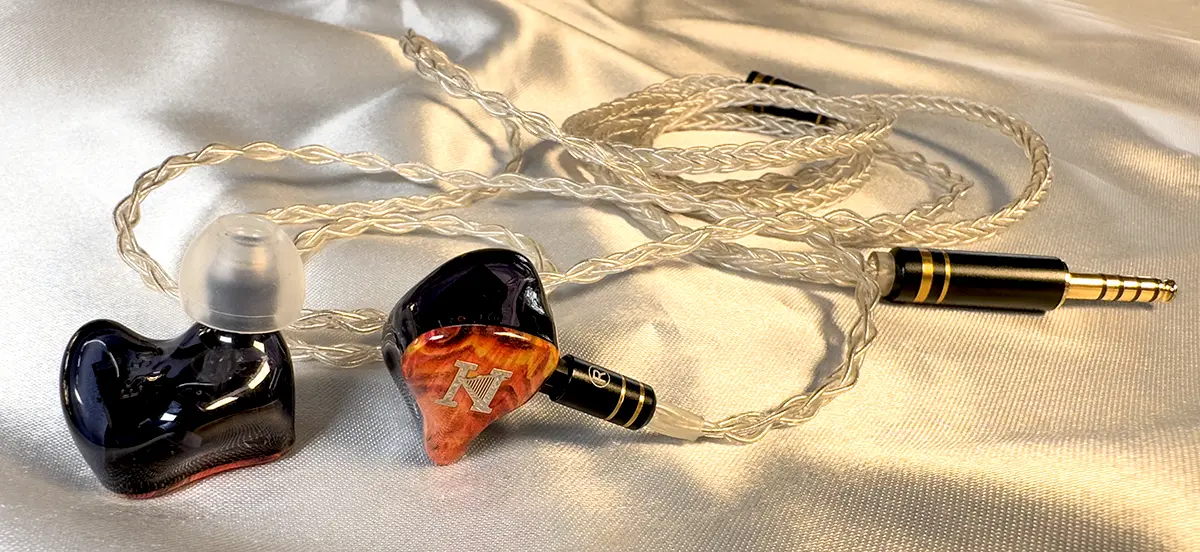
Configuration: 2x BA, 2x EST, 1x DD
Price: $449
Strengths: Bass Quantity & Impact, Treble Prominence
Shortcomings: Midrange Richness, Refinement, Soundstage Depth
The EST50s are unashamedly V-shaped bass cannons that deliver massive quantities of bass along with very prominent treble. Although their midrange avoids feeling dry or recessed, it isn’t quite as rich & prominent as that of the 10thAnniversary, which is itself a step down from the Impacts in that department.
Though the EST50s feature a wide soundstage, depth is lacking. They have a fun, exciting presentation that’s great for electronic & pop music but lack the smoothness & refinement of the 10th Anniversary, though the EST50s make up for that with sheer bass & treble quantity.
Test IEM #3: Penon Impact
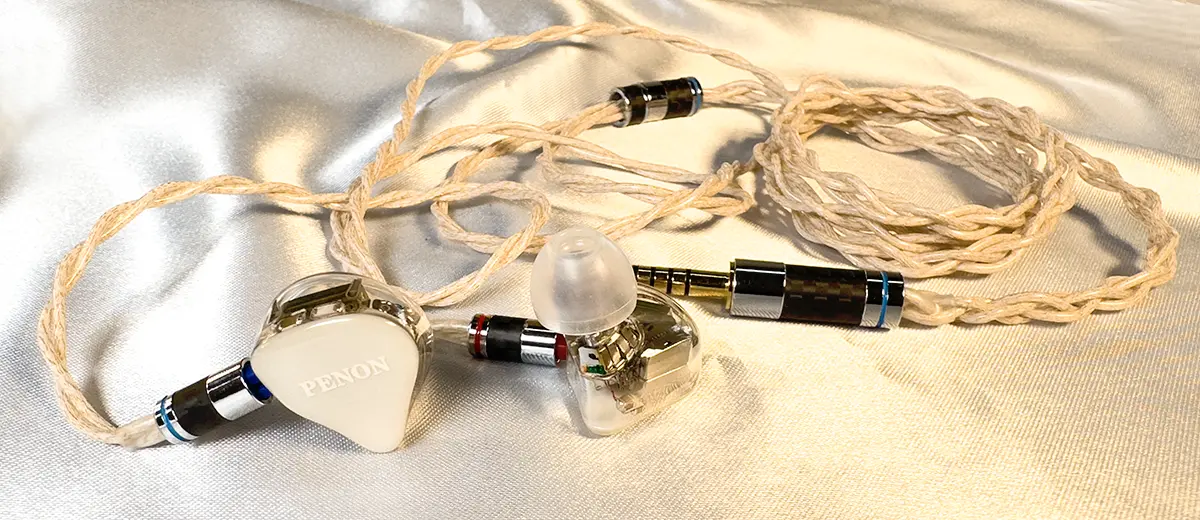
Configuration: 10x BA, 4x EST
Price: $2499
Strengths: Midrange Richness, Speed, Resolution, Soundstage Depth
Shortcomings: Bass Texture, Treble Sparkle, Soundstage Width
The Impacts are somewhat midrange centric and indeed their midrange is one of the most impressive of any earphone on the market. Their resolution & soundstage depth is also superb, and they have no difficulty keeping up with busy passages of music.
Their bass is excellent by BA standards but lacks the texture & slam of a dynamic driver, and the though treble quality is excellent it has been tuned in a less prominent fashion to avoid fatiguing the listener. The Impacts also lack soundstage width compared with some alternative IEMs costing thousands of dollars.
Introduction
Cable 1 & 2 – EA Ares S 4 Wire & 8 Wire
Cable 3 – Effect Audio Cadmus 8 Wire
Cable 4 – Effect Audio Code 23
Cable 5 – ISN S8
Cable 6 – Liquid Links Martini
Cable 7 – Liquid Links Venom
Cable 8 – NiceHCK BlackSoul
Cable 9 – Penon CS819
Cable 10 – Penon Leo Plus
Cable 11 – Penon Obsidian
Cable 12 – Penon Vocal
Cable 13 – DIY Cardas Clear
Cable 14 – DIY Hakugei Gray Dragon
Cable 15 – DIY Hakugei Sky-Sea Voice
Talking Point – Cable Performance vs Ergonomics
Talking Point – Cable Value
Talking Point – Cable DIY
Cable Awards
Conclusion
Cable Manufacturer Links & Acknowledgements
Comments